On this page
Key takeaways
- Spain play France in the World Cup semifinal on Tuesday July 14, 2026 at 21:00 Madrid time, with the match in the Dallas area at AT&T Stadium.
- Kickoff is late enough that Madrid will be almost dark, but still warm; plan for a summer evening, not an afternoon match.
- For public screens, check madrid.es, esmadrid, or official venue pages before travelling; Madrid Rio will be mentioned by people, but copied social posts are not enough on their own.
- Central bars around Sol, Huertas, La Latina, Malasana, Chamberi, Goya, and Madrid Rio-Legazpi should fill early because 21:00 is also dinner time.
- If Spain win, Cibeles is the obvious place where celebrations may pull people, even if they watched the match somewhere else.
- Metro normally closes around 01:30, so the basic question is whether you can leave comfortably before the crowd does.
The Match
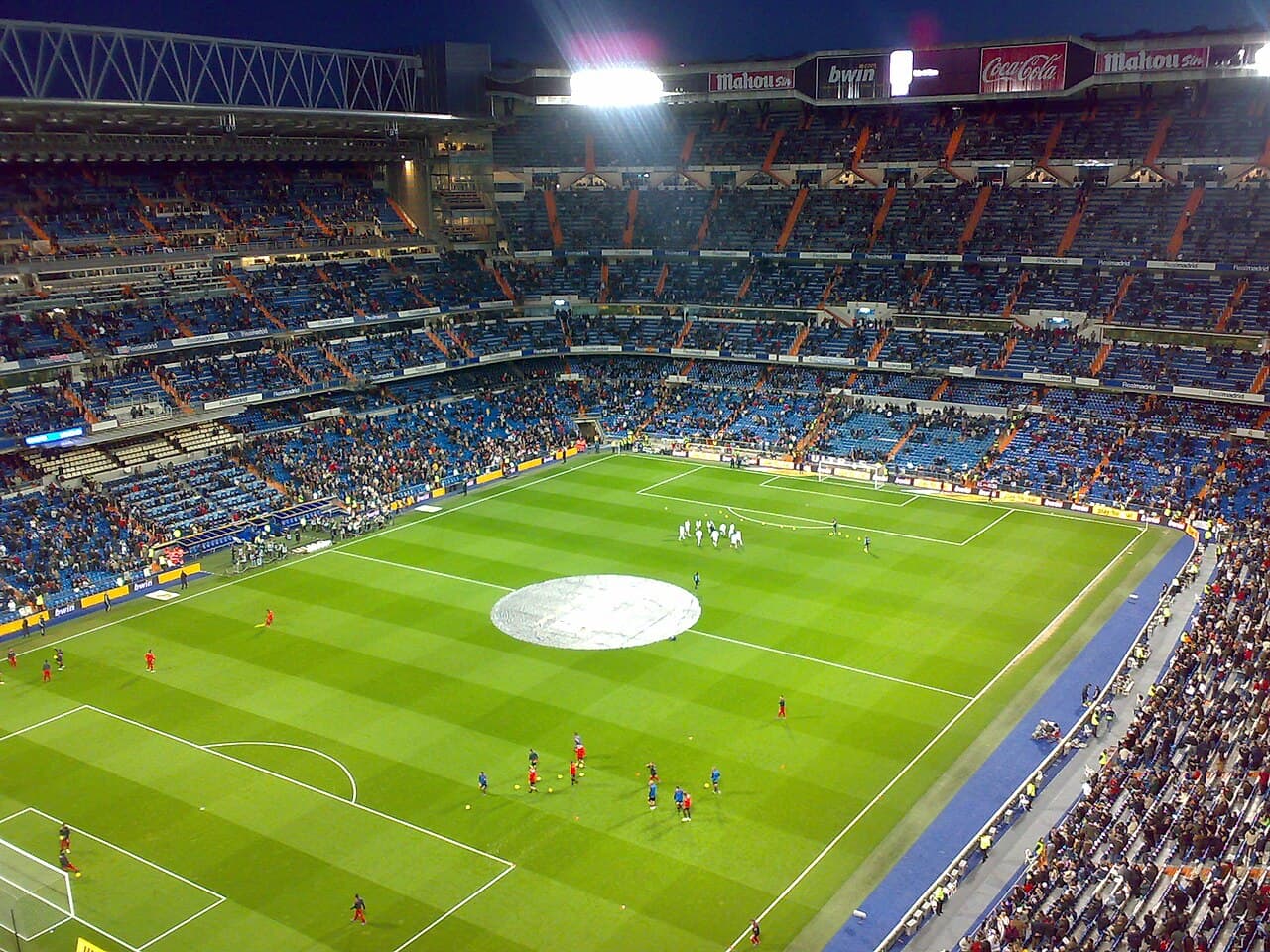
Spain play France in the World Cup semifinal on Tuesday July 14, 2026, with kickoff at 21:00 Madrid time. The match is in the Dallas area at AT&T Stadium. In Madrid, the useful fact is simpler: this is a Tuesday night match at dinner time.
By kickoff, Madrid will be close to night. It will still be warm, likely around the low 30s after a day near the mid-30s, but this is not a 17:00 sun problem. The bigger issue is whether you want to watch in the centre, near home, or somewhere with a clean exit.
The match may finish around 23:00, later if there is extra time or penalties. That is when the night either empties normally or starts pulling people toward Cibeles.
Public Screens
For public screens, check official sources before travelling. Madrid has used big screens for major Spain matches before, and Madrid Rio will inevitably come up in group chats because it has hosted big football crowds in the past. But do not cross town for a screenshot. Look for madrid.es, esmadrid, a district council page, or the page of a named venue.
If a screen is confirmed, check the boring details before leaving: access time, capacity, whether bottles and cans are restricted, the nearest Metro station, and whether police have published a mobility note. Those details matter more than the poster.
Where To Watch
If you want atmosphere, the obvious areas are Sol, Huertas, Plaza de Santa Ana, La Latina, Malasana, Chueca, Chamberi, Goya, and Madrid Rio-Legazpi. They have enough bars and terraces for the night to feel shared, and enough people for leaving to be slow if the match goes Spain's way.
If you want less friction, stay local. A neighbourhood bar in Arganzuela, Retiro, Prosperidad, Delicias, Moncloa, Cuatro Caminos, Lavapies, or Ibiza will probably give you the same match with a much easier walk home.
Arrive early if you care about a table. A 21:00 kickoff means people will use the match as dinner, not just drinks. Showing up at 20:55 with six people and a vague hope is not a plan; it is an audition for standing outside.
For terrazas, think comfort rather than drama. It should be a warm evening, not full daylight, but Madrid stone holds heat. If you run hot, pick somewhere with fans, shade, or an indoor screen you can retreat to.
If Spain Win
The place to watch is not always the place where the night ends. If Spain win, the obvious pull is Cibeles.
Watch the area around Plaza de Cibeles, Calle de Alcala, Paseo del Prado, Paseo de Recoletos, Banco de Espana, and Puerta de Alcala. It can become busy even if most people watched the match somewhere else, because Cibeles is where football celebrations in Madrid tend to point.
The central nightlife areas can also slow down quickly: Puerta del Sol, Gran Via, Callao, Plaza de Santa Ana, Huertas, Calle Montera, and the streets feeding into Malasana and Chueca. Sometimes the problem is not a formal closure. It is simply too many people, buses, taxis, delivery riders, and police filters trying to use the same streets.
If a large screen is confirmed at Madrid Rio or elsewhere, treat the nearest Metro station as a crowd point after the final whistle. For Madrid Rio, that means watching Legazpi, Puerta del Angel, Principe Pio, nearby bridges, and the river paths.
Metro And The Way Home
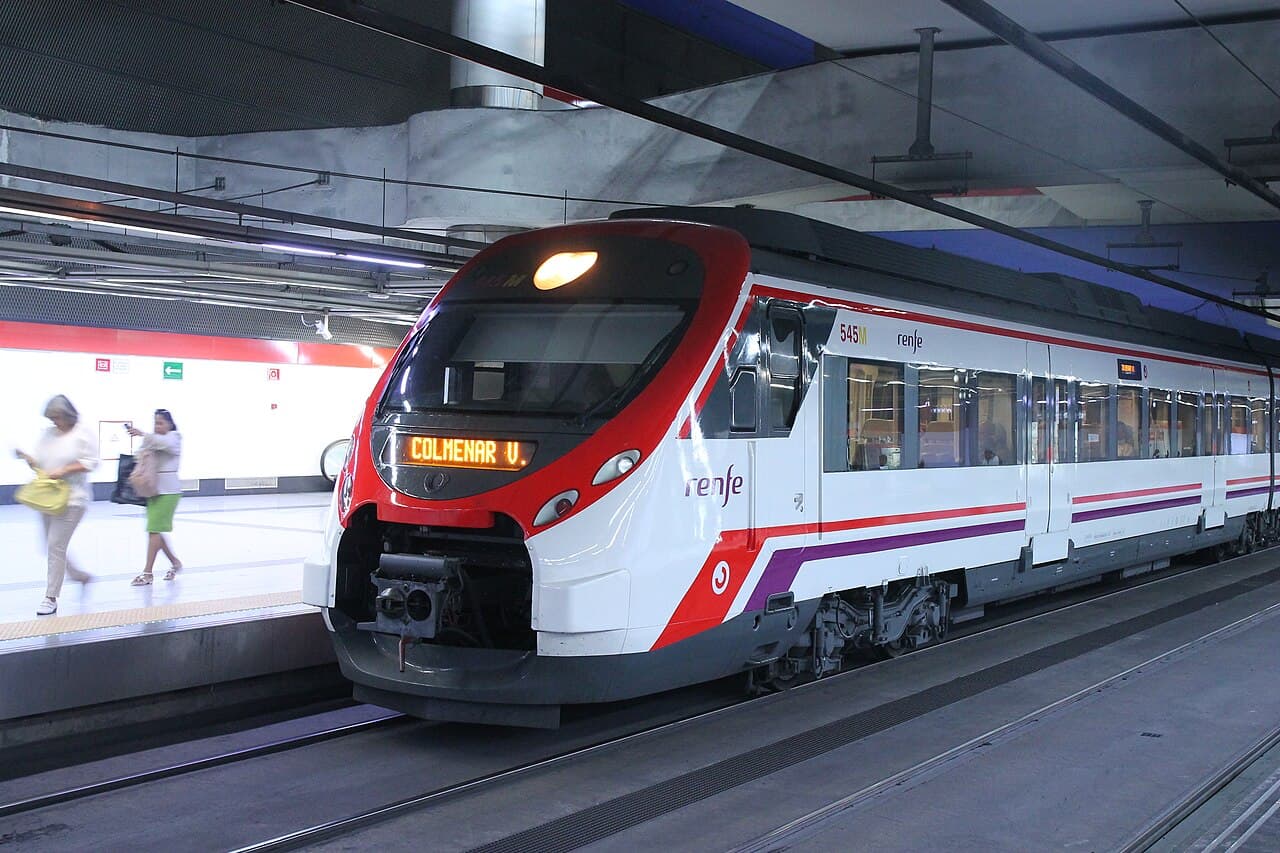
Metro is the easiest answer, as long as you do not leave it too late. Madrid Metro normally closes around 01:30, and a knockout match can stretch if there is extra time, penalties, celebrations, or crowd control at station entrances.
If you are near Cibeles, Banco de Espana is the obvious stop, but obvious is not always best. Depending on crowd filters, it may be easier to walk to Retiro, Sevilla, Gran Via, Chueca, Colon, Recoletos, or Atocha before entering the system.
The same applies around Sol and Gran Via. If Sol, Gran Via, or Callao are jammed, walk to Tribunal, Santo Domingo, Sevilla, Opera, Tirso de Molina, or Atocha, depending on your line and direction.
For EMT buses, check notices before leaving. Central routes can be diverted quickly around Cibeles, Gran Via, Sol, or Paseo del Prado. Night buses help, but many pass through Cibeles, which is exactly where a celebration can complicate things.
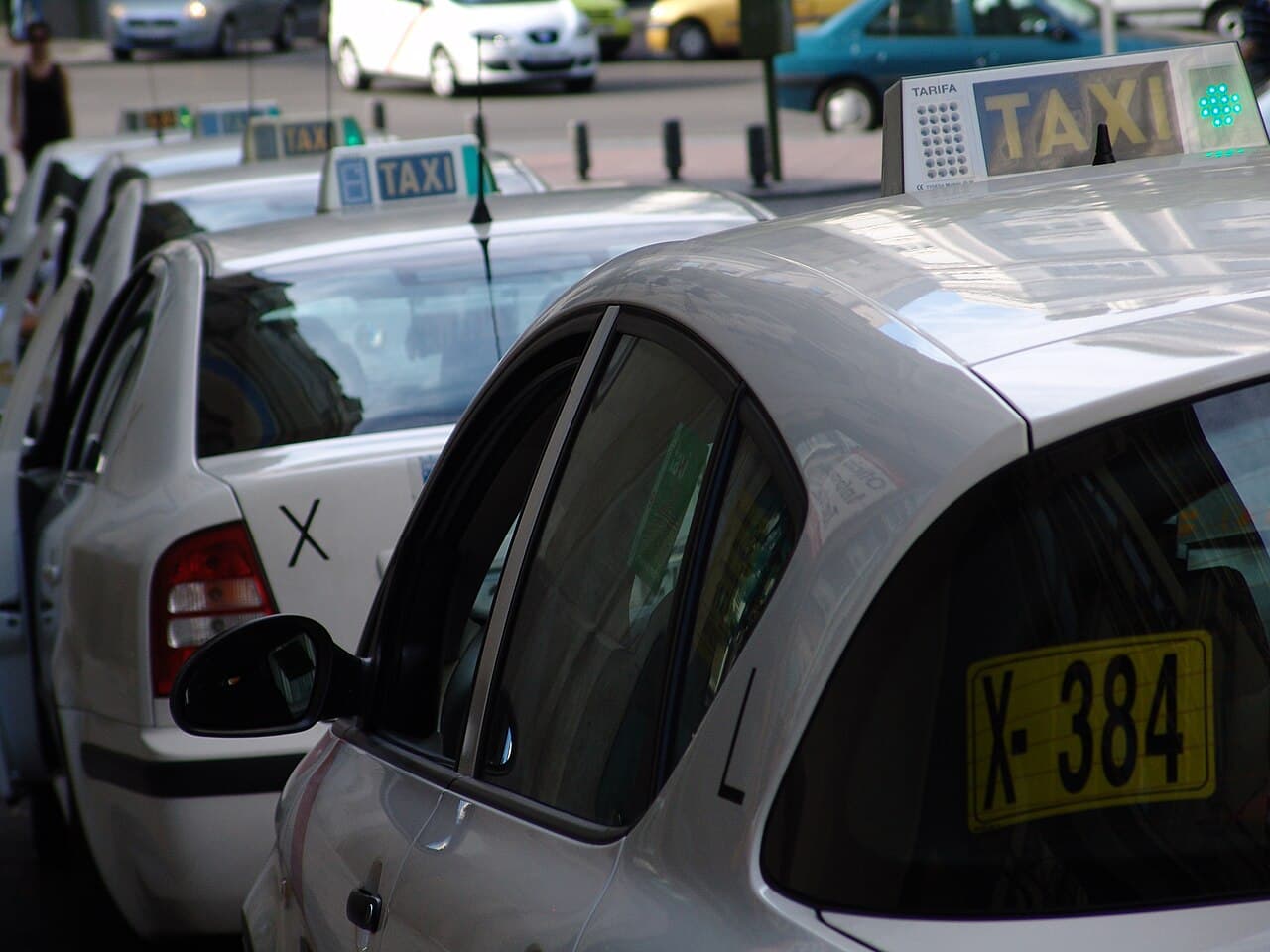
For taxis and ride-hailing, walk away from the crowd before requesting. A pickup pin on Gran Via or Cibeles may look neat on a map and fail completely in real life.
Pick Your Night
If you want the big-match feeling, go central and accept that leaving may be slow. Arrive by 19:30 or 20:00, eat before kickoff or order early, and do not expect a quiet terrace after full time.
If you work Wednesday morning, watch near home. You will still hear every goal. Madrid buildings are generous like that.
If you are with children, older relatives, or someone who dislikes dense crowds, avoid Cibeles, Sol, Gran Via, and any confirmed big-screen area after full time. Pick a neighbourhood place and leave before the final whistle if the match is settled.
If you are French, choose the bar with a little care. Madrid is usually good-humoured about football, but a semifinal night is not the best time to depend on every stranger being charming after two hours of tension.
Check Before Leaving
Before you leave, check three things.
First, check whether Madrid has announced an official public screen or mobility plan. Use madrid.es, esmadrid, Metro, EMT, and official venue or district channels.
Second, check the AEMET forecast. A warm 21:00 is manageable; a heat warning, storm risk, or very high overnight minimum changes the plan for vulnerable people.
Third, check your route home before the match starts. If your plan depends on one bus through Cibeles or a taxi from Sol at 23:30, improve the plan while everyone is still calm.
The Bottom Line
Spain-France is a Tuesday-night football match with a very Madrid problem attached: everyone wants atmosphere, but nobody wants to be stuck in the same street after the final whistle.
The clean plan is to pick your level of chaos before kickoff. Central for noise. Local for sleep. Cibeles only if you actually want Cibeles.
The bar matters. The exit route matters more.
Main tradeoffs
- The best atmosphere is central; the easiest night is usually near home.
- A terraza will be pleasant by kickoff if you can handle a warm night, but indoor screens are better for people who hate heat and crowds.
- Official screens, police measures, and bus diversions can change late, so check the day-of notices before travelling across town.
Sources
- Spain vs France World Cup semifinal schedule / AS — Unavailable during the 2026-10-18 access check (HTTP 403); this is an access result, not a factual verdict.
- World Cup semifinal bracket update / El Pais — Unavailable during the 2026-10-18 access check (HTTP 403); this is an access result, not a factual verdict.
- EMT Madrid line and incident information / EMT Madrid
- Metro de Madrid / Metro de Madrid
- Madrid official city website / Ayuntamiento de Madrid
- AEMET Madrid forecast / AEMET
Spotted an outdated detail? Send the desk a correction.