What this means for you
- Who is affected
- People living in Madrid who will be affected by national immigration, labour, tax and Social Security decisions, whether or not they can vote.
- What changes
- A royal decree calls elections to Congress and the Senate for 29 November 2026.
- What to do next
- Judge campaign promises by which level of government can deliver them, and watch the post-election congressional investiture.
On this page
Key takeaways
- The general election for Congress and the Senate is on Sunday 29 November 2026.
- The Congress of Deputies, not a direct presidential vote, determines whether a candidate can form Spain’s next government.
- Immigration, nationality, labour law, Social Security and the national tax framework sit primarily with the state; Madrid’s regional and city governments still control major parts of daily life.
The election is about Madrid — just not the Madrid you see every day
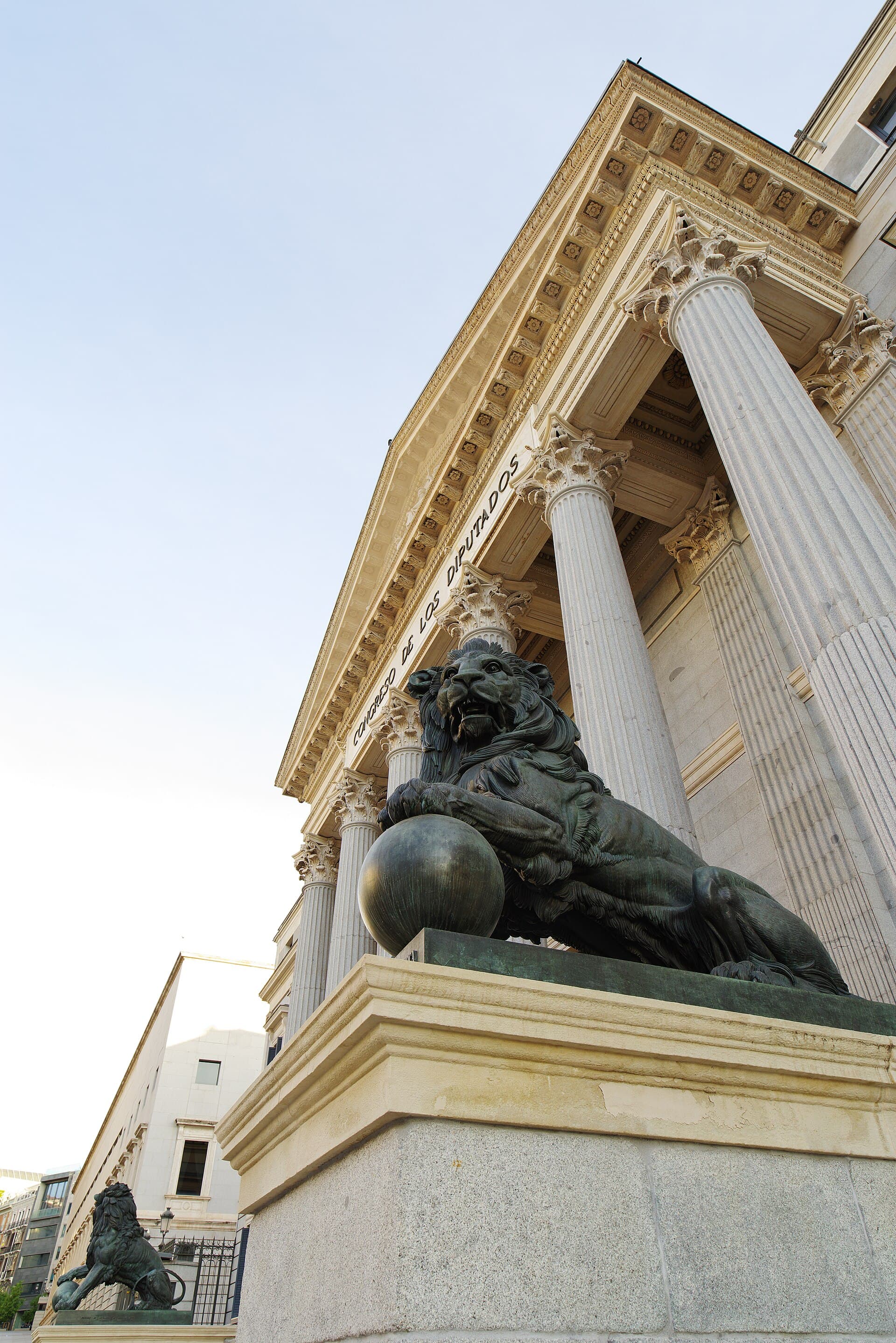
Spain votes for Congress and the Senate on Sunday 29 November. The decree is clear on the date. What gets lost in the noise is the thing a Madrid resident actually needs to know: this is the election that decides who can form Spain’s next national government, not who runs City Hall or the regional government in Puerta del Sol.
That matters because the campaign will be full of promises about rent, immigration, health and transport. Some belong to the government chosen after this vote. Some belong to Isabel Díaz Ayuso’s regional administration. Some belong to José Luis Martínez-Almeida’s council. A promise can sound national and still be impossible to deliver from Moncloa alone.
First, the political scene
Spanish politics is not a clean two-party contest. The PSOE is defending its record in government; the Partido Popular is trying to replace it; Vox is competing for voters to the PP’s right; and parties to the left of PSOE and regional parties can matter far beyond their national vote share.
The practical consequence is coalition arithmetic. Spain does not elect a president of the government directly. After the election, the King consults party representatives and proposes a candidate. That person needs the confidence of the Congress of Deputies under Article 99 of the Constitution. Winning the most seats is useful; assembling a working majority is what puts somebody in office.
That is why the morning-after question is not simply “who won?” It is “who can pass an investiture vote, and on what terms?” Smaller parties and territorial parties can become decisive when neither large bloc reaches a majority alone. For a resident, that uncertainty matters because it can delay budgets, legislation and the timetable for any promised reform.
Where power sits in Madrid
The election determines the government in Moncloa. That government sets the national framework for immigration, nationality, labour law, Social Security, taxation and asylum. Those are not abstract Westminster-style talking points: they shape residence routes, employee rights, autónomo contributions and the rules a foreign resident meets first.
Madrid then turns national politics into daily life through two other administrations. The Comunidad de Madrid runs much of healthcare and education. Madrid City Council controls planning, streets and municipal services. Housing is the clearest example of the overlap: national law can change tenancy rules or taxes; regional and city policy shape supply, public housing and enforcement on the ground.
That is the political scene behind the campaign. The national government has the big legal levers. Ayuso’s regional government and Almeida’s council decide how Madrid feels to live in. When a party promises change, the useful question is not whether the headline is dramatic. It is whether the promise has the right institution, a parliamentary route and money behind it.
The fights that matter after the posters come down
Immigration, nationality and work
Article 149 of the Constitution assigns nationality, immigration, foreign affairs and asylum to the state. Any new government can therefore matter directly to residence rules, nationality policy and work permissions. Labour legislation and Social Security sit in the same national orbit. For a reader navigating a TIE renewal, a first contract or autónomo registration, these are the areas where a change in government can become concrete.
Housing and the cost of staying
Housing is likely to remain politically explosive because it is both a national argument and a Madrid reality. National legislation can set tenancy rules, tax incentives or funding programmes. The Comunidad and City Council influence land, planning and their own housing programmes. A serious housing promise needs all three parts to line up; otherwise it is a campaign line with nowhere to land.
Public services and the Madrid model
The national government can set broad standards and funding conditions. The Comunidad delivers much of the healthcare and education residents actually use. This makes Madrid a useful test case for the campaign: parties can argue about the national model while residents judge it through a delayed specialist appointment, a school place or an overfull commuter train.
What election day looks like in Madrid
In Madrid, polling stations normally open at 09:00 and close at 20:00. Spaniards vote at the mesa electoral assigned to them on the electoral census; the official election service publishes the location and table for each voter. You will see schools, civic buildings and other public spaces functioning as polling places for the day, with volunteers and officials running each table.
The count happens at each table once voting closes. Ballot boxes are opened, votes are counted and the results are transmitted into the official count. Television coverage will start producing projections and partial results around the close of polls, but those are not the final legal result. The early picture can move as larger cities, postal votes and different provinces report.
There is no honest fixed hour at which “the result” arrives. By late evening Madrid time the national picture is often much clearer; a close result, especially one dependent on several smaller parties, can leave the government question open long after the initial count. The formal process continues through the electoral administration after election night.
Why this election has more weight than a normal change of wallpaper
Pedro Sánchez has been president of the government since June 2018. Before him came Mariano Rajoy, who led a PP government from 2011 to 2018; before Rajoy, José Luis Rodríguez Zapatero led PSOE governments from 2004 to 2011. That sequence matters because it shows the familiar rhythm of modern Spanish politics: PSOE and PP remain the two parties built to lead the country, even when neither can now govern alone.
The difference is the room around them. The older alternation was often easier to read: one large party won, another lost, and the centre of gravity moved. The current landscape is more fractured. Vox has made the right more competitive; parties to the left of PSOE have changed the arithmetic on that side; and regional parties can turn a close national result into a long negotiation.
Sánchez’s years in office have also made the next vote a judgement on a recognisable governing period, rather than a contest between two entirely hypothetical futures. Supporters will point to the government’s record; opponents will make the election a verdict on it. The point for a Madrid resident is not to adopt either script. It is to understand that the result may produce continuity, a change of government, or a period in which parties bargain before anyone can govern.
That is why election night is only the first act. The numbers matter because they determine who gets to negotiate; the negotiations matter because they decide what can become a budget, a law or a change in the rules you live under.
Sources
Facts checked 2026-11-02.
- Real Decreto 806/2026: dissolution and election call / Boletín Oficial del Estado
- Spanish Constitution / Boletín Oficial del Estado
- Presidents of the Government since 1823 / La Moncloa
- Infoelectoral / Ministry of the Interior
Spotted an outdated detail? Send the desk a correction.