What this means for you
- Who is affected
- Passengers with Renfe journeys around the strike date discussed in this report.
- What this report covers
- The July 15 strike call and the minimum-service and ticket questions raised at the time.
- What to do next
- Check the status and conditions for your actual train through Renfe. Use the operator's current change or refund instructions; do not assume an old minimum-service percentage applies to another strike.
On this page
Key takeaways
- The July 15 action is a second 24-hour Renfe strike called by Sindicato Ferroviario, after the June 29 stoppage.
- For June 29, the Ministry set minimum services at 73% for Alta Velocidad and Larga Distancia, 65% for Media Distancia, and 75% of Cercanias in peak hours, 50% outside peak hours.
- The June 29 strike had low reported follow-through, with El Pais reporting 0% impact in the Madrid Cercanias hub by late afternoon, but July 15 still falls in a sensitive summer travel window.
- Affected Renfe passengers should be offered travel on a nearby train, or the option to change or cancel without cost through Renfe channels.
What Is Confirmed
There is a Renfe strike scheduled for Wednesday July 15, 2026.
More precisely: Sindicato Ferroviario has called a second 24-hour strike across the Renfe group, following the first strike on Monday June 29. It is not Renfe "calling" the strike; Renfe is the public rail operator affected by it.
The first strike was timed with the start of summer travel. The second falls deeper into July, when Madrid residents are leaving for holidays, visitors are moving between cities, and Atocha and Chamartin are already under pressure from normal peak-season travel.
Why The Strike Is Happening
The dispute is not mainly about passenger timetables. It is about the future of Renfe Mercancias, Renfe's freight division, and the knock-on effect on maintenance work and staff guarantees.
Sindicato Ferroviario argues that Renfe Mercancias is being deliberately weakened and opposes the planned creation of a mixed company with Medway, a freight operator owned by the MSC group. The union also points to previous agreements reached in 2023 and 2025, the externalisation of maintenance work on locomotives, and the planned closure of the Taller de Material Remolcado in Miranda de Ebro, in Burgos.
Renfe has rejected the strike as unjustified. According to El Pais, the June 29 stoppage had very low follow-through, with Renfe reporting 1.83% participation overall by late afternoon.
What Happened On June 29
The June 29 strike is the best guide to what July 15 could look like, but not a guarantee.
Ahead of the June 29 stoppage, Renfe announced the cancellation of 320 AVE, Larga Distancia, and Media Distancia trains under the minimum-service order. That included 98 Alta Velocidad and Larga Distancia trains and 222 Media Distancia trains.
The Ministry of Transport set minimum services at:
- 73% for Alta Velocidad and Larga Distancia.
- 65% for Media Distancia.
- 75% for Cercanias during peak hours.
- 50% for Cercanias outside peak hours.
For Cercanias, the peak-hour windows reported for June 29 were 06:00-09:00, 13:30-16:00, and 18:30-20:30.
By late afternoon on June 29, El Pais reported that the strike's impact in the Madrid Cercanias hub was 0%, while the highest public-service impact reported was in Rodalies in Catalonia. That is reassuring for Madrid commuters, but it does not make July 15 irrelevant. A strike day can still cause cancellations, crowding, platform confusion, and stress for anyone with a fixed train.
What Could Be Affected In Madrid
The services to watch are Renfe services, not Metro de Madrid.
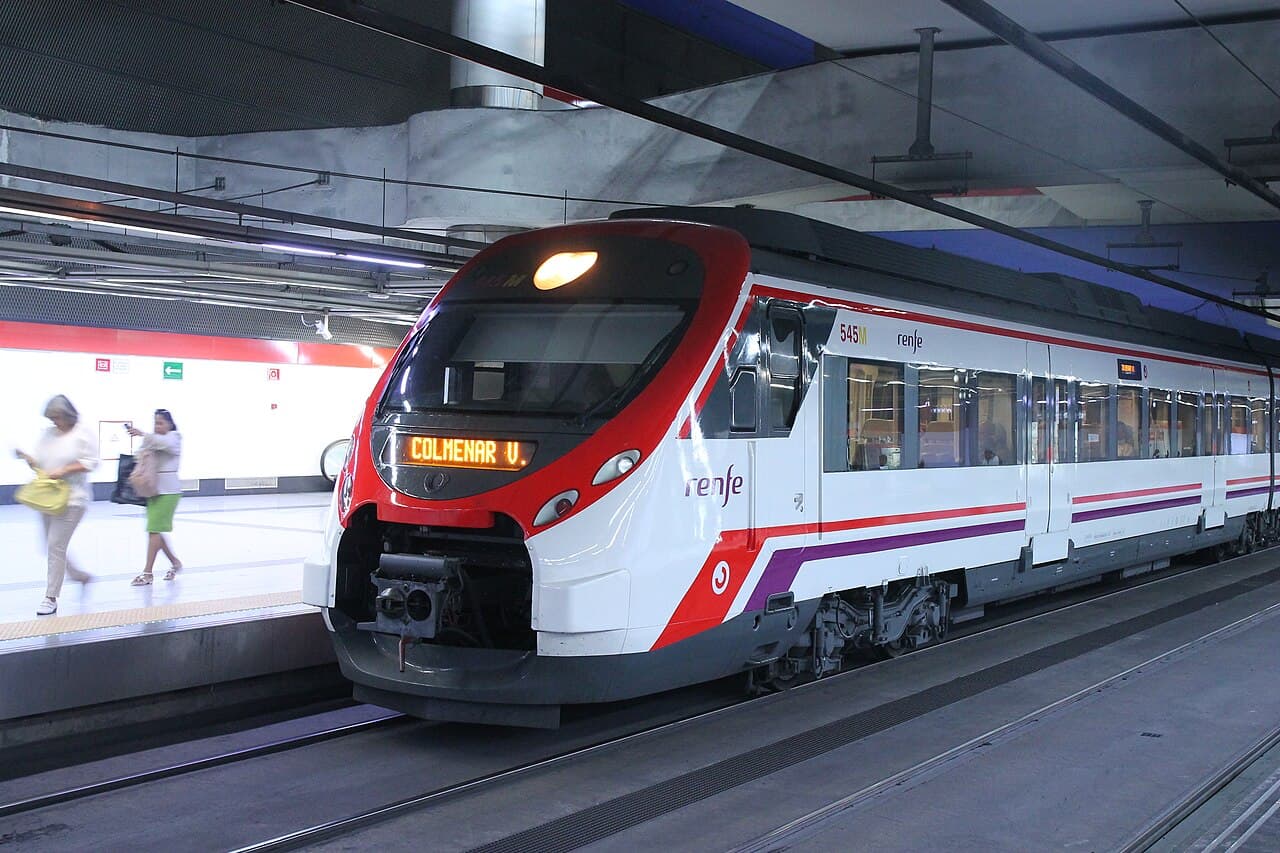
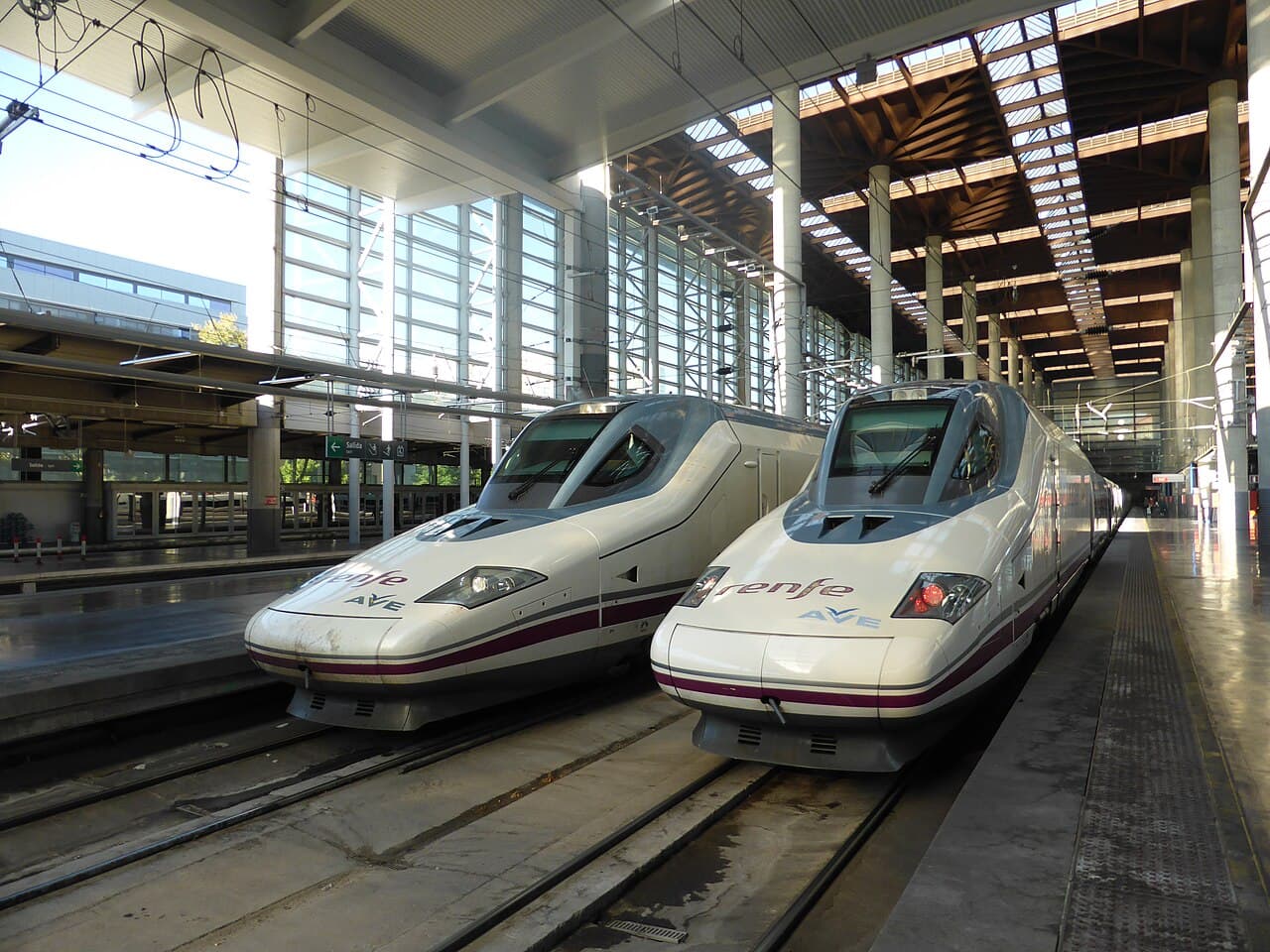
The big summer-travel risk is AVE, Avlo, Alvia, Euromed, Intercity, and other long-distance Renfe trains. If you are leaving Madrid from Atocha or Chamartin on July 15, check your specific train, not just the route. Media Distancia and Avant matter for shorter intercity trips. Cercanias Madrid should run under minimum-service rules if the July 15 order follows the June 29 pattern, which means more trains in peak hours and fewer outside them. Metro de Madrid, EMT buses, taxis, and private high-speed operators such as Ouigo and Iryo are not the direct target of this Sindicato Ferroviario strike, but Atocha and Chamartin do not care about clean institutional categories when thousands of passengers are trying to rebook at once.
Why July 15 Matters More Than A Normal Wednesday
July 15 is not just another workday.
It lands during peak summer movement, when Madrid starts to empty out properly, family travel increases, and trains toward the coast, Andalucia, Valencia, Galicia, Catalonia, and northern Spain matter more than usual. A disruption that would be annoying in February can become expensive in July because backup seats are harder to find.
The most exposed passengers are those with:
- Same-day onward connections.
- Flights linked to train arrivals.
- Hotel check-ins outside Madrid.
- Family travel with children or older relatives.
- Non-flexible event, wedding, or holiday plans.
If your train is optional, the strike is an inconvenience. If your train is the first piece in a chain, it is a risk.
What To Do If You Have A Ticket
Do not wait until the morning of July 15.
Check your Renfe account, email, and the Renfe app for your specific train, then search the same journey again on renfe.com to see whether your departure is still being sold normally. If your ticket is linked to your account, the "Mis viajes" area is the place to look first; if you bought through an agency or third-party site, check both the seller and Renfe. The useful question is not "is my route affected?" It is "is my train number still running?"
Renfe has been offering affected passengers the option to travel on a nearby train, or change or cancel the ticket without cost through its normal sales channels.
If your travel is important, make a backup plan now:
- Look for another Renfe departure the day before or after.
- Price Ouigo or Iryo if they serve your route.
- Check flights only if the route and luggage make sense.
- Avoid tight connections at Atocha or Chamartin.
- Keep screenshots of Renfe notices, ticket changes, and emails.
For Cercanias Madrid, assume the practical problem is frequency. If you need to reach Atocha, Chamartin, Nuevos Ministerios, Sol, or the airport by Cercanias, leave earlier than normal and avoid relying on a single perfectly timed train.
Your Passenger Rights
If your train is cancelled, you should not be left to absorb the loss as if nothing happened.
Consumer group FACUA has reminded passengers affected by the June 29 and July 15 Renfe strike days that they may have rights to a refund, alternative transport, meals, accommodation where needed, and compensation depending on the case.
Under European passenger-rights rules, rail strikes by the operator's own staff do not automatically exempt the company from responsibility for delays. Cadena SER, citing FACUA, reported the basic compensation bands as 25% of the ticket for delays of 60-119 minutes and 50% for delays of 120 minutes or more, while noting that Renfe's own punctuality commitments may be more generous for some services.
The practical version: if you are delayed or cancelled, ask Renfe first through official channels. If the response is unclear, keep records and consider a formal claim.
In practice, start with the channel where the ticket lives: the Renfe app, renfe.com, the ticket office, or the agency that sold it. If you need to claim later, keep the original ticket, disruption notice, replacement-train confirmation, delay information, and any hotel, meal, taxi, or connection costs. Future-you will not enjoy reconstructing a railway argument from memory.
What To Watch Before July 15
The useful things to watch are not social-media rumours. Watch for a new minimum-service order for July 15, Renfe's affected-train list or ticket notifications, any last-minute agreement or suspension of the strike, station-specific notices for Atocha and Chamartin, and Cercanias Madrid service updates on the day itself.
The June 29 experience suggests the strike may have limited practical impact in Madrid Cercanias if participation remains low. But long-distance and Media Distancia passengers should still treat July 15 as a real disruption risk until their specific train is confirmed.
The Bottom Line
The July 15 Renfe strike is confirmed as a called 24-hour strike by Sindicato Ferroviario. It follows the June 29 action, which had low reported follow-through but still led Renfe to plan around hundreds of cancelled trains under minimum services.
For Madrid residents, the calm plan is simple: Metro is not the issue, but Renfe is. If you use Cercanias, leave slack. If you have AVE, Avlo, Alvia, Intercity, Avant, or Media Distancia travel on July 15, check your exact train and keep a backup.
July 15 is not the week to assume everything runs just because the map says it should.
Main tradeoffs
- A low-impact first strike does not guarantee July 15 will be painless, especially for long-distance travellers with fixed holiday plans.
- Minimum services keep many trains moving, but they also concentrate passengers onto fewer departures and can make Atocha and Chamartin more stressful.
- Private high-speed operators such as Ouigo and Iryo are separate companies, but disruption in stations and shared rail infrastructure can still affect the wider travel day.
Sources
- La huelga de 24 horas de Sindicato Ferroviario en Renfe avanza con bajo seguimiento / El País
- Renfe cancela más de 300 trenes por la huelga convocada este lunes / Cadena SER
- La huelga de Renfe de este lunes dejará servicios mínimos y más de 300 trenes cancelados / HuffPost Spain
- Más de 300 trenes cancelados por la huelga de Renfe: estos son tus derechos si te has visto afectado / Cadena SER
- Renfe official website / Renfe
Spotted an outdated detail? Send the desk a correction.